
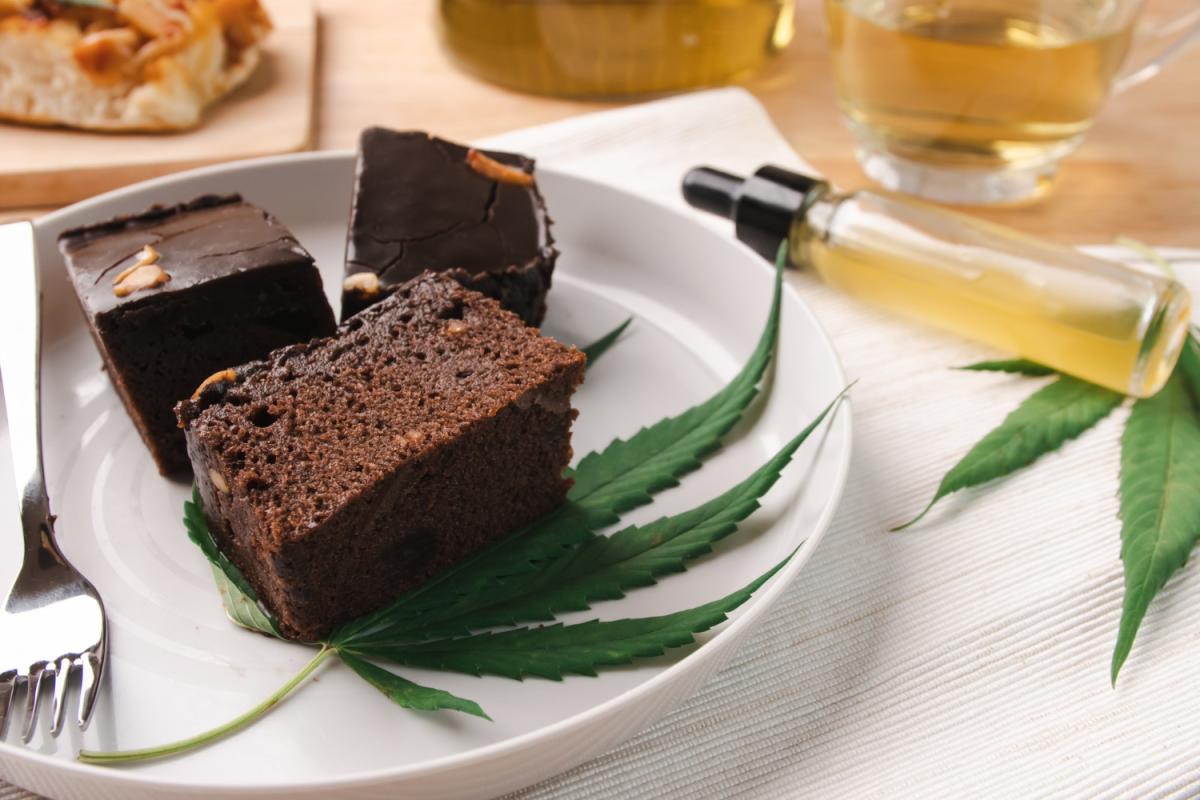
Understanding the Basics of Cooking With Cannabis
Cooking with cannabis, often called cannabis-infused cooking or edibles, allows people to enjoy cannabis in a smoke-free and flavorful way. Unlike inhaled methods, edibles are processed through the digestive system, which means the effects take longer to appear but often last longer. Before getting started, it’s important to understand potency, timing, and proper preparation to ensure a safe and enjoyable experience.
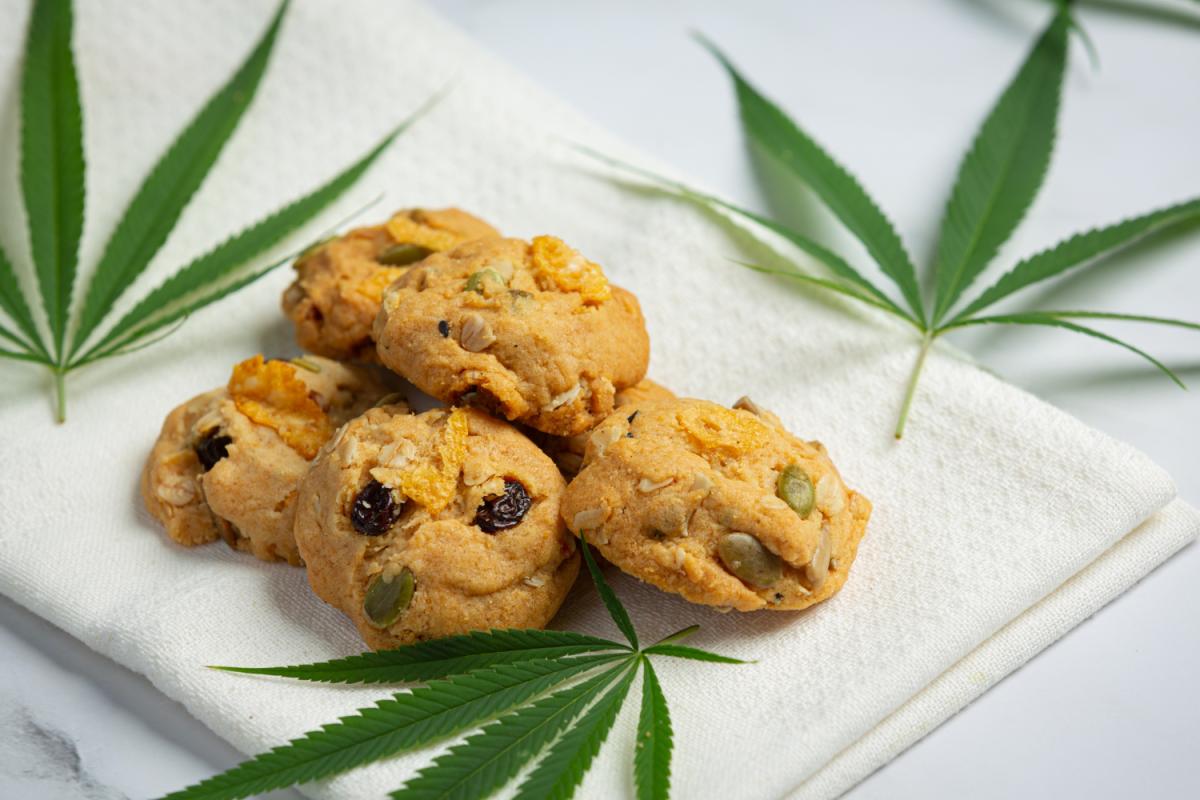
Why Decarboxylation Is Essential
Raw cannabis does not naturally produce strong effects when eaten. Decarboxylation is the process of gently heating cannabis to activate cannabinoids like THC and CBD. This is typically done by baking ground cannabis at a low temperature before infusing it into food. Skipping this step can result in edibles that are far less effective, so proper decarboxylation is one of the most important steps in cannabis cooking.
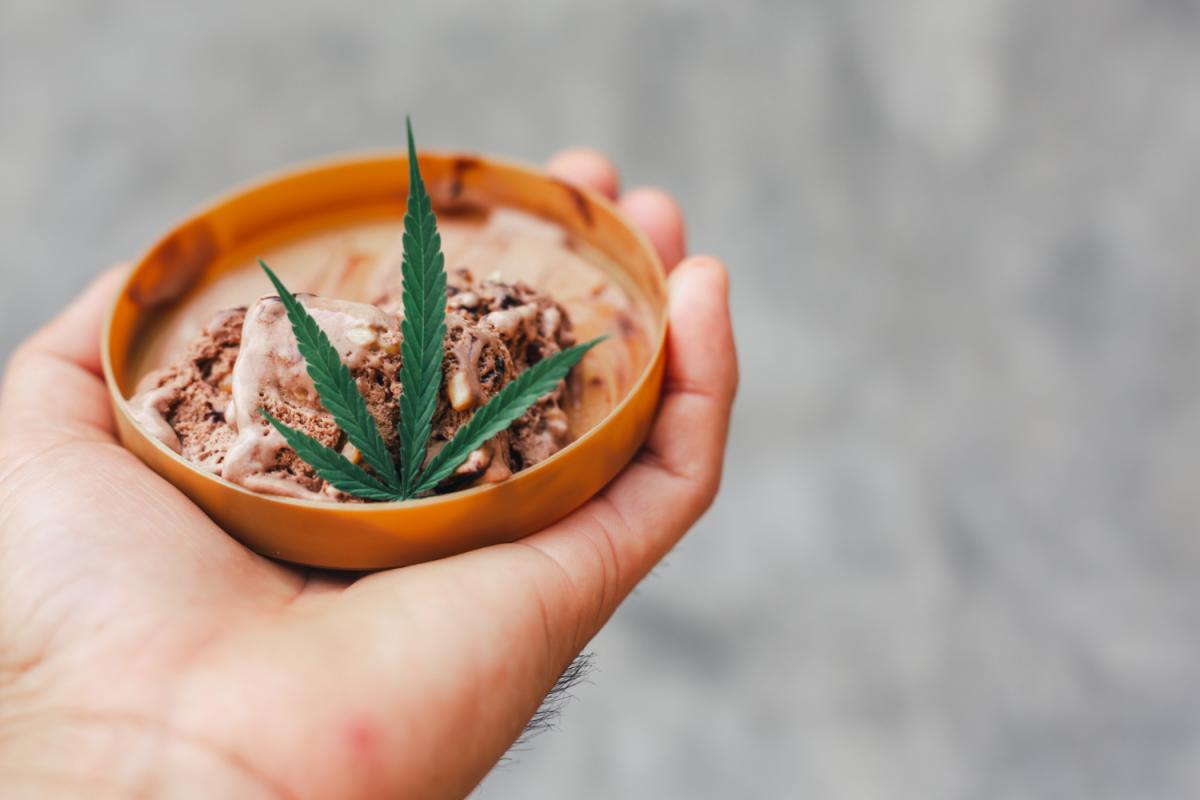
Choosing the Right Fat for Infusion
Cannabinoids are fat-soluble, meaning they bind best to fats such as butter, oil, or cream. Popular infusion options include cannabis butter, olive oil, coconut oil, and even ghee. The fat you choose should match the type of recipe you plan to make, whether it’s savory dishes, baked goods, or sauces. Using a quality fat helps ensure better absorption and more consistent results.
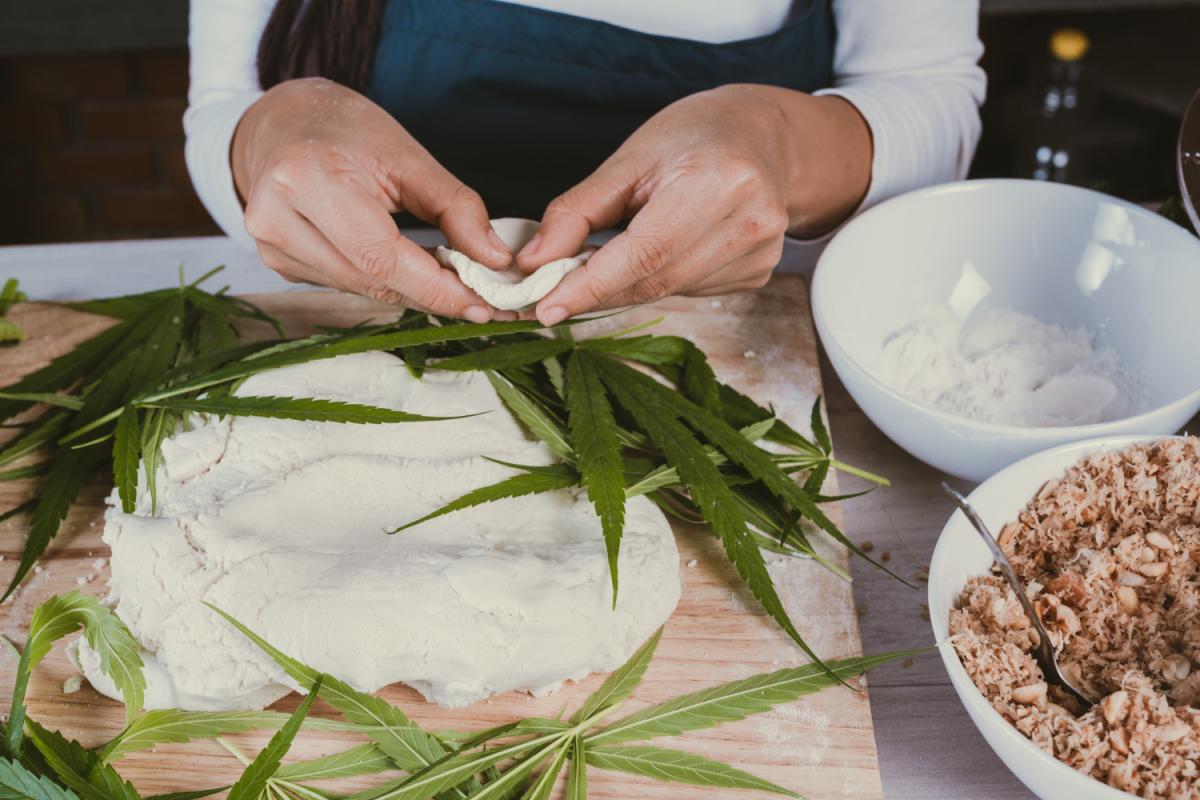
Start Low & Measure Carefully
One of the most common mistakes when cooking with cannabis is using too much. Edibles can be much stronger than expected, especially for beginners. Measuring both your cannabis and the final infused product carefully helps control potency. It’s always best to start with a low dose and allow plenty of time—often two hours or more—to feel the effects before consuming more.
Use Low Heat to Protect Cannabinoids
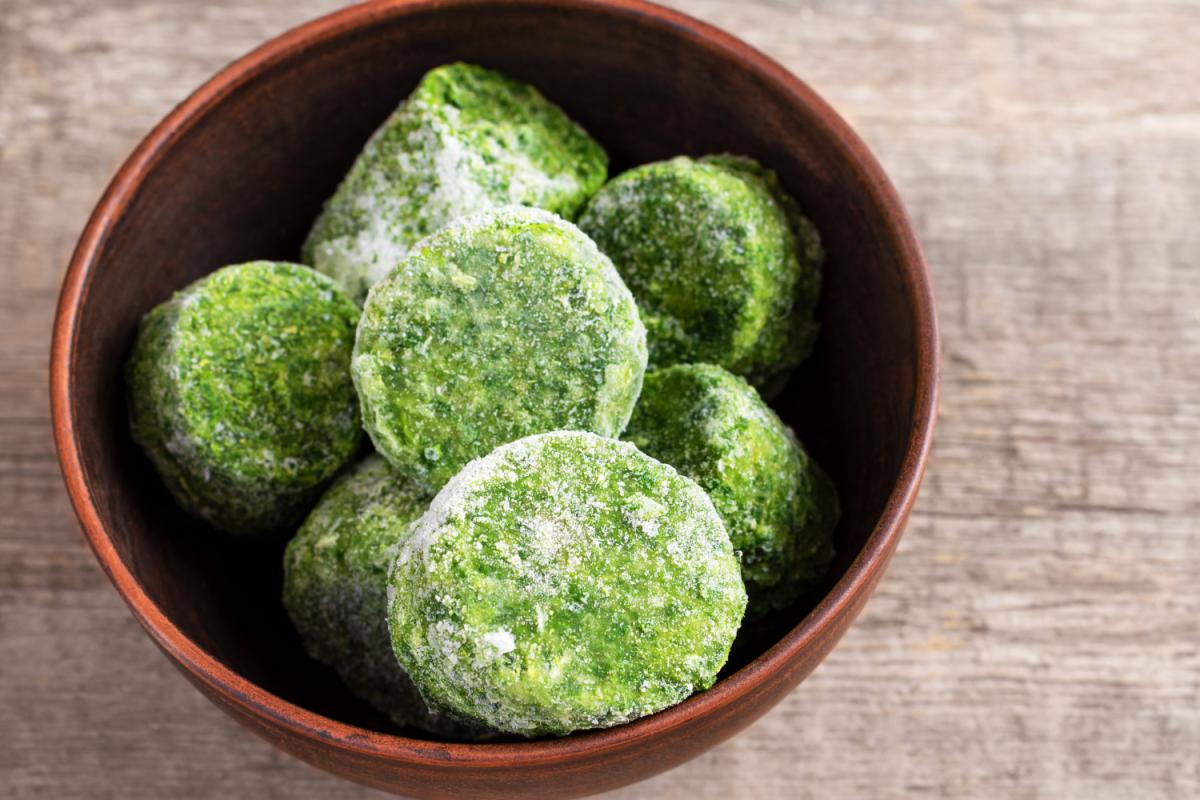
High heat can degrade cannabinoids and terpenes, reducing potency and flavor. When cooking with infused oils or butter, avoid high-temperature frying or baking above recommended levels. Instead, use low to moderate heat, add infusions toward the end of cooking, or choose no-bake recipes when possible. This helps preserve the effectiveness of your infusion.
Label and Store Infused Foods Safely
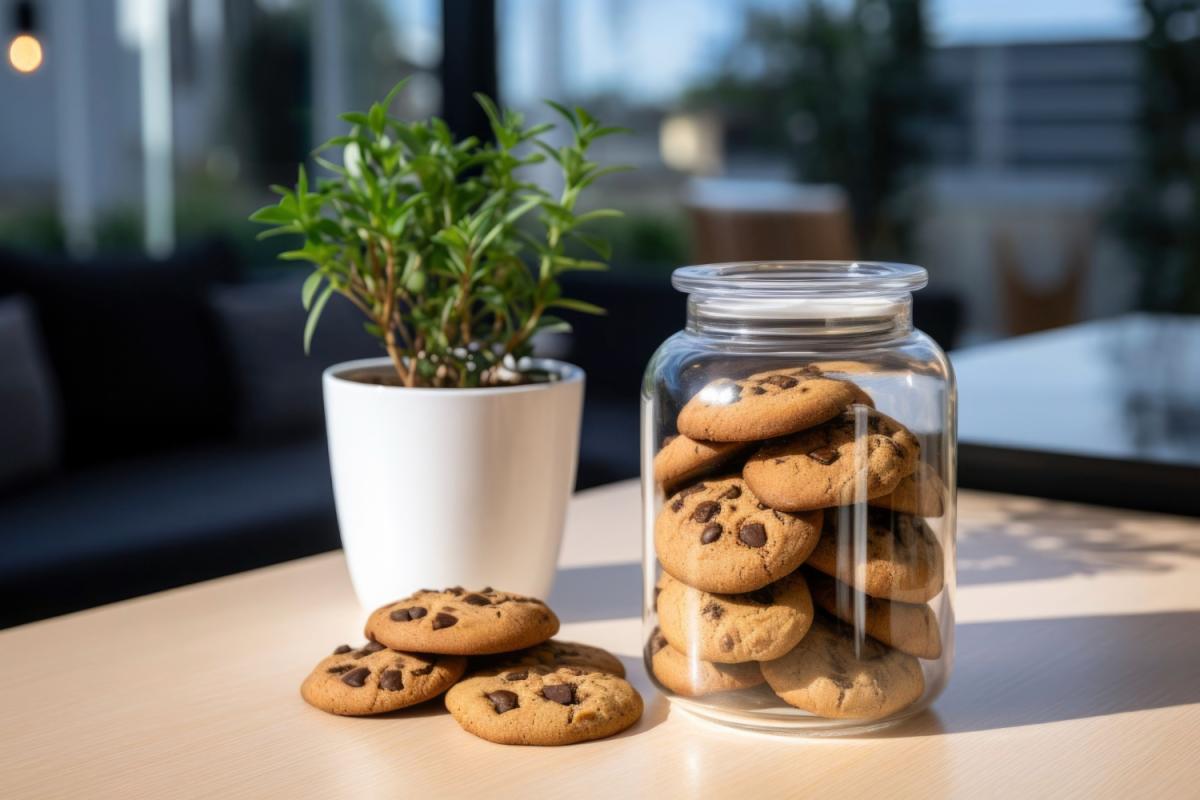
Cannabis-infused foods should always be clearly labeled and stored securely away from children, pets, and unsuspecting adults. Proper storage in airtight containers helps maintain freshness and potency. Treat cannabis edibles with the same caution as any other controlled substance, and always follow local laws regarding possession and storage.
Be Patient and Mindful
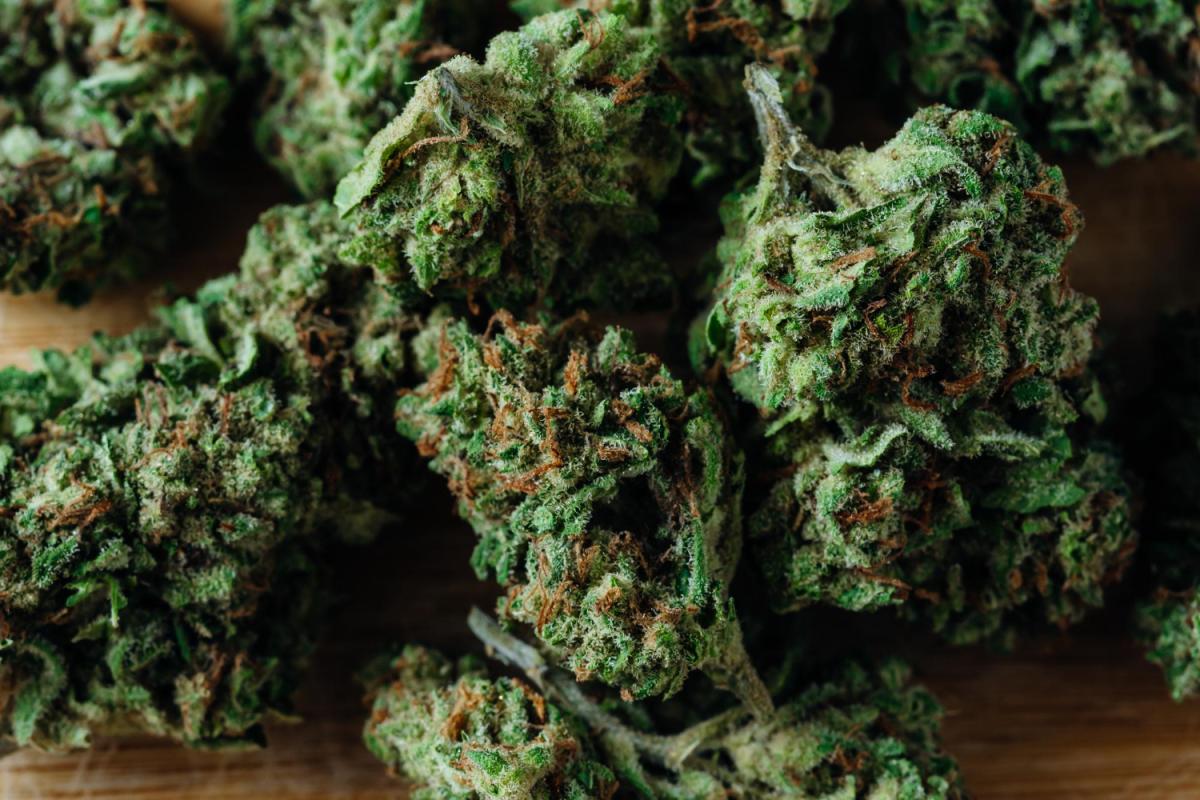
Edibles take time to work, and the experience can be stronger and longer-lasting than expected. Patience is key. Avoid mixing edibles with alcohol, and only consume in environments where you feel safe and comfortable. Keeping notes on dosage, strain used, and effects can help refine your future cooking experiments.