
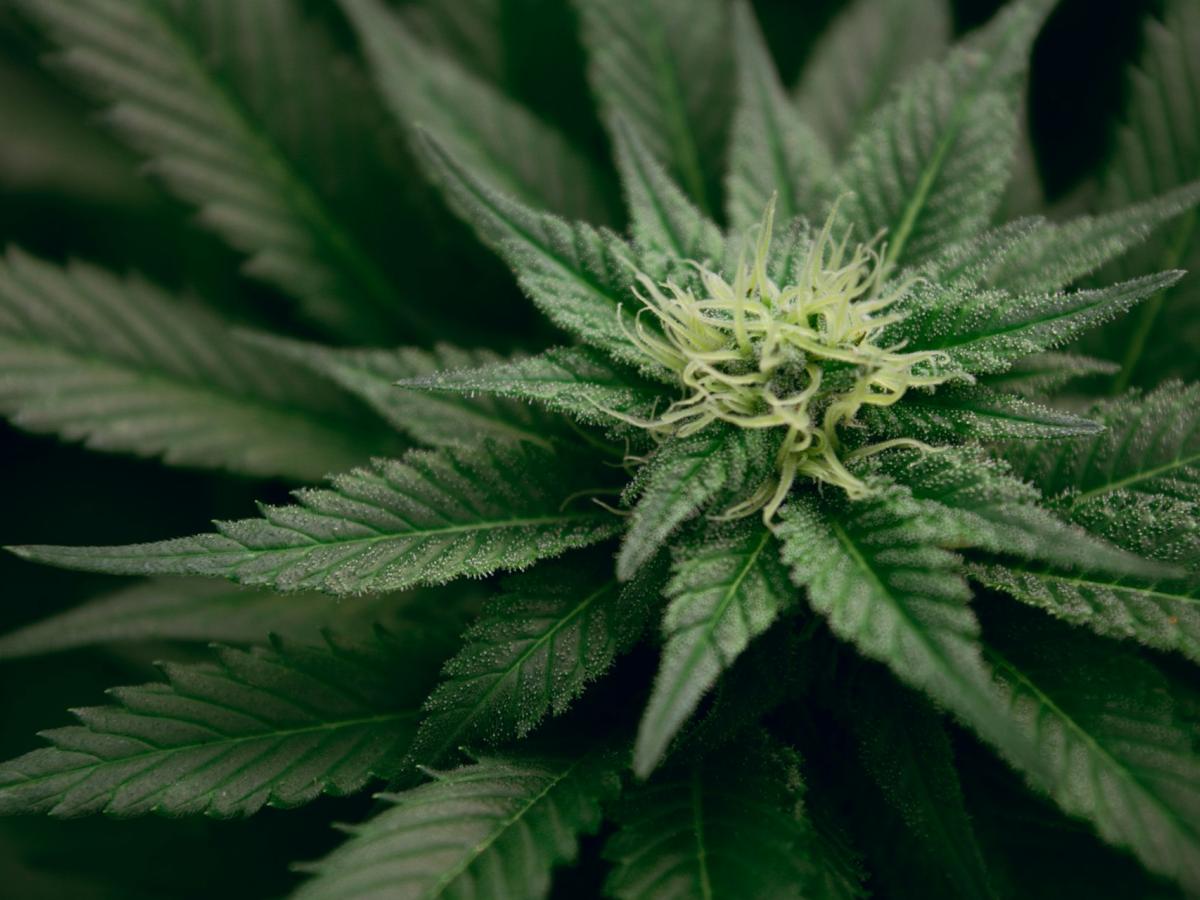
Understanding Stress in Modern Life
Stress is a natural response to life’s demands, but when it becomes chronic, it can impact sleep, mood, focus, and overall well-being. Work pressure, financial concerns, health challenges, and constant digital stimulation all contribute to elevated stress levels. Many people are looking for natural, plant-based tools to help manage everyday stress in a balanced way. Cannabis has gained attention as one such option, particularly as legalization and research continue to expand. While not a cure-all, cannabis may play a supportive role in stress management when used responsibly and intentionally.
How Cannabis Interacts With the Body
Cannabis works primarily through the endocannabinoid system (ECS), a regulatory network in the body involved in mood, sleep, appetite, and stress response. Compounds in cannabis—most notably THC and CBD—interact with ECS receptors to influence how the body processes stress signals. THC is known for its psychoactive effects and may promote relaxation at low doses, while CBD is non-intoxicating and often associated with a calming, clear-headed experience. The way cannabis affects stress can vary widely depending on the individual, product type, dosage, and cannabinoid profile.
Choosing the Right Cannabis Products for Stress
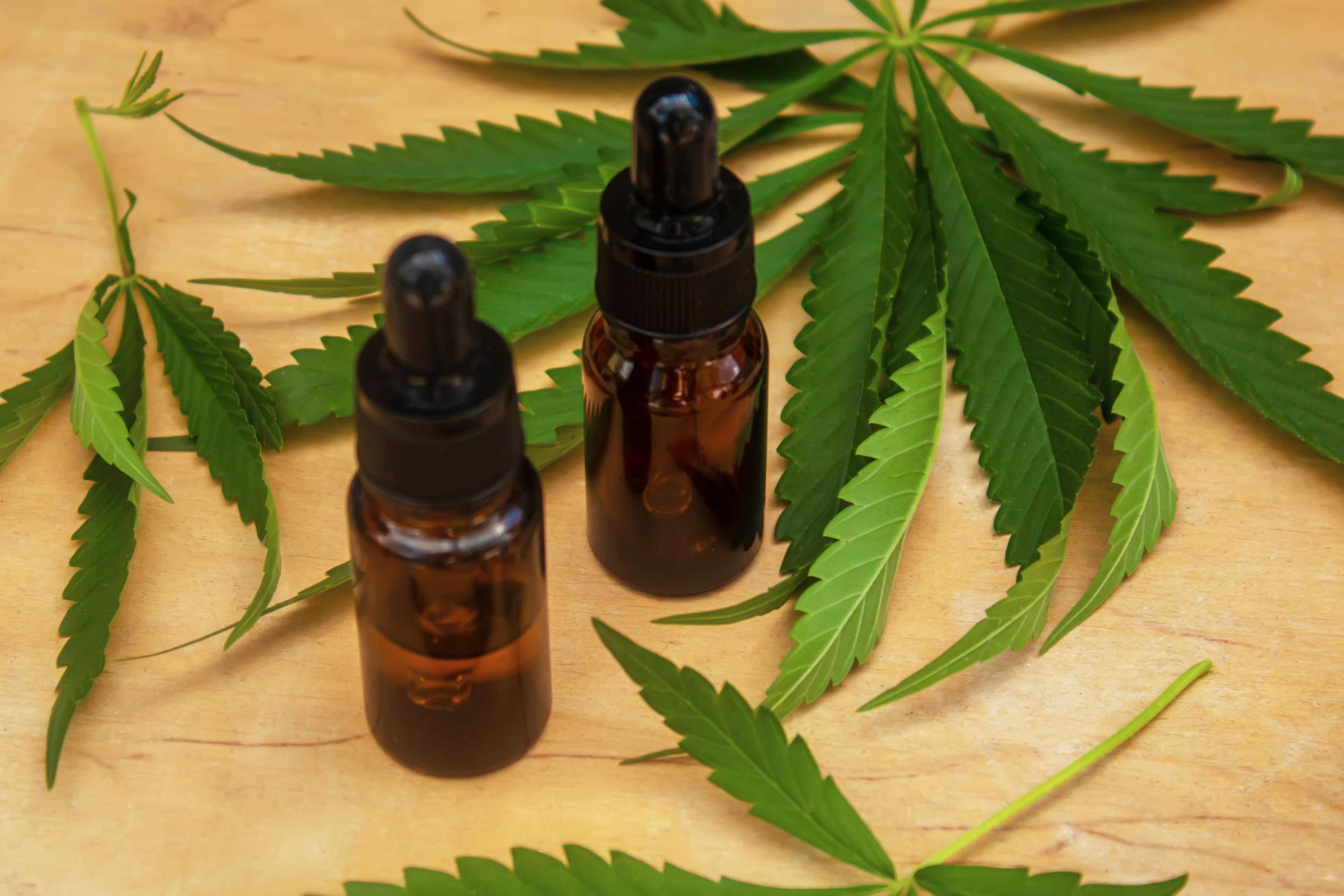
Not all cannabis products affect stress the same way. Many people seeking stress relief gravitate toward CBD-dominant or balanced THC:CBD products to reduce the risk of anxiety or overstimulation. Inhaled forms, such as dried flower or vapes, tend to act quickly but wear off sooner, while edibles and oils provide longer-lasting effects with a slower onset. Terpenes—aromatic compounds like linalool or myrcene—may also influence relaxation and mood. Understanding product labels and starting with low doses is key to finding what works best.
Potential Benefits & Important Considerations
For some individuals, cannabis may help take the edge off stress, promote relaxation, improve sleep quality, or support mindfulness practices such as meditation or yoga. However, cannabis can also increase anxiety in certain people, especially at higher THC levels. Tolerance, frequency of use, and mental health history all play a role in how cannabis affects stress. It’s important to view cannabis as a tool—not a replacement for healthy coping strategies like exercise, therapy, social support, and proper rest.
Using Cannabis Mindfully for Stress Management
Mindful cannabis use starts with intention and moderation. This means choosing products aligned with your goals, using them in calm environments, and paying attention to how your body responds. Keeping a simple journal of strains, dosages, and effects can help refine your approach over time. When used responsibly and legally, cannabis may complement a broader stress-management routine focused on balance, self-awareness, and overall wellness.