
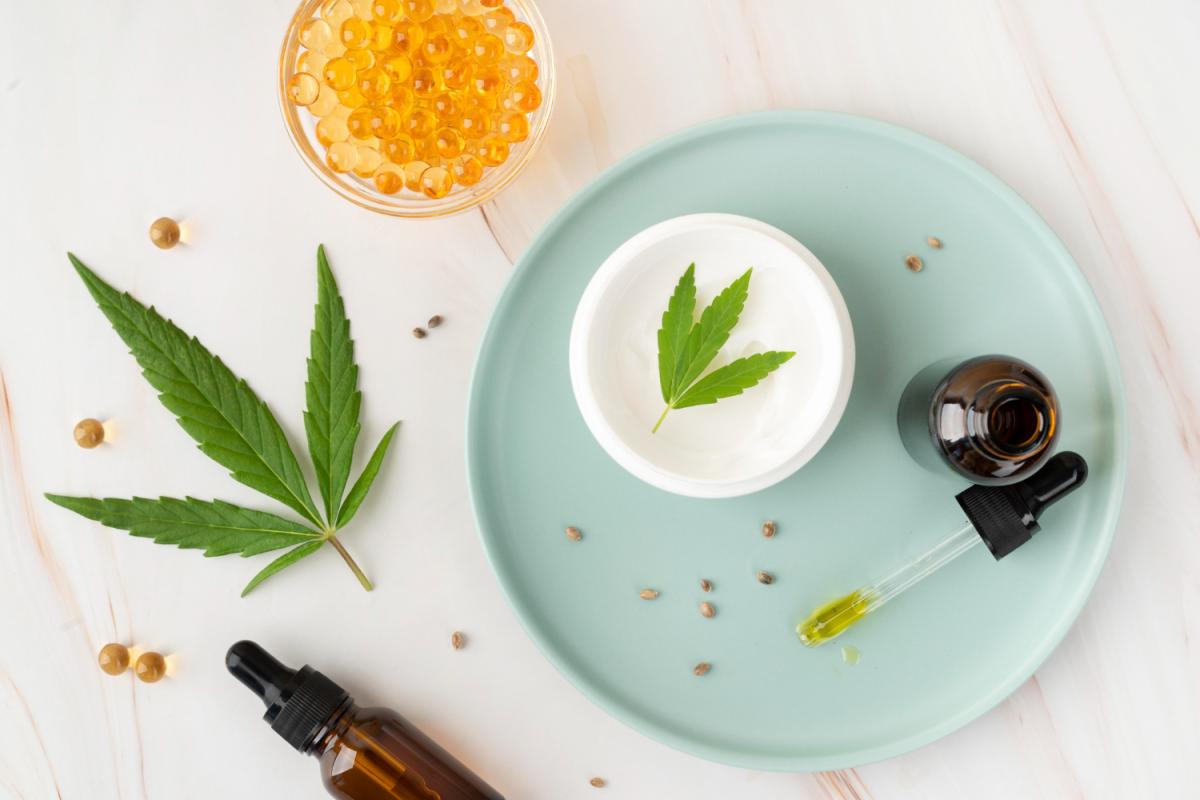
Understanding Chronic Pain & Its Daily Impact
Chronic pain affects millions of people worldwide and can significantly interfere with daily life, sleep, mobility, and emotional well-being. Unlike acute pain, which is temporary and linked to injury or illness, chronic pain persists over long periods and often requires ongoing management. Conditions such as arthritis, nerve pain, migraines, and inflammatory disorders commonly fall into this category. As more individuals seek alternatives or complements to traditional pain management approaches, cannabis has emerged as a topic of growing interest.
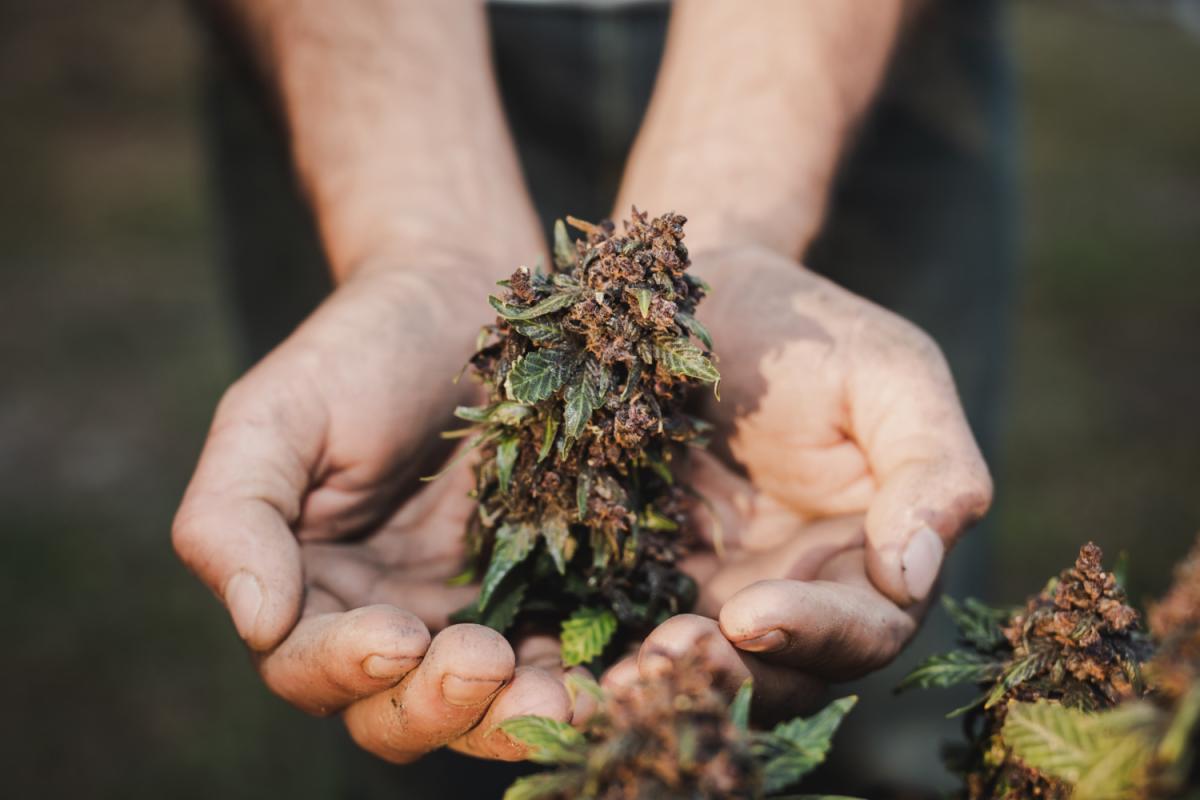
How Cannabis Interacts With Pain Pathways
Cannabis works through the body’s endocannabinoid system (ECS), which plays a role in regulating pain perception, inflammation, mood, and immune response. Cannabinoids such as THC and CBD interact with ECS receptors that influence how pain signals are processed. Rather than blocking pain entirely, cannabis may help modulate the body’s response to discomfort, potentially making pain feel more manageable. This interaction is one reason cannabis is often discussed in the context of chronic pain support.
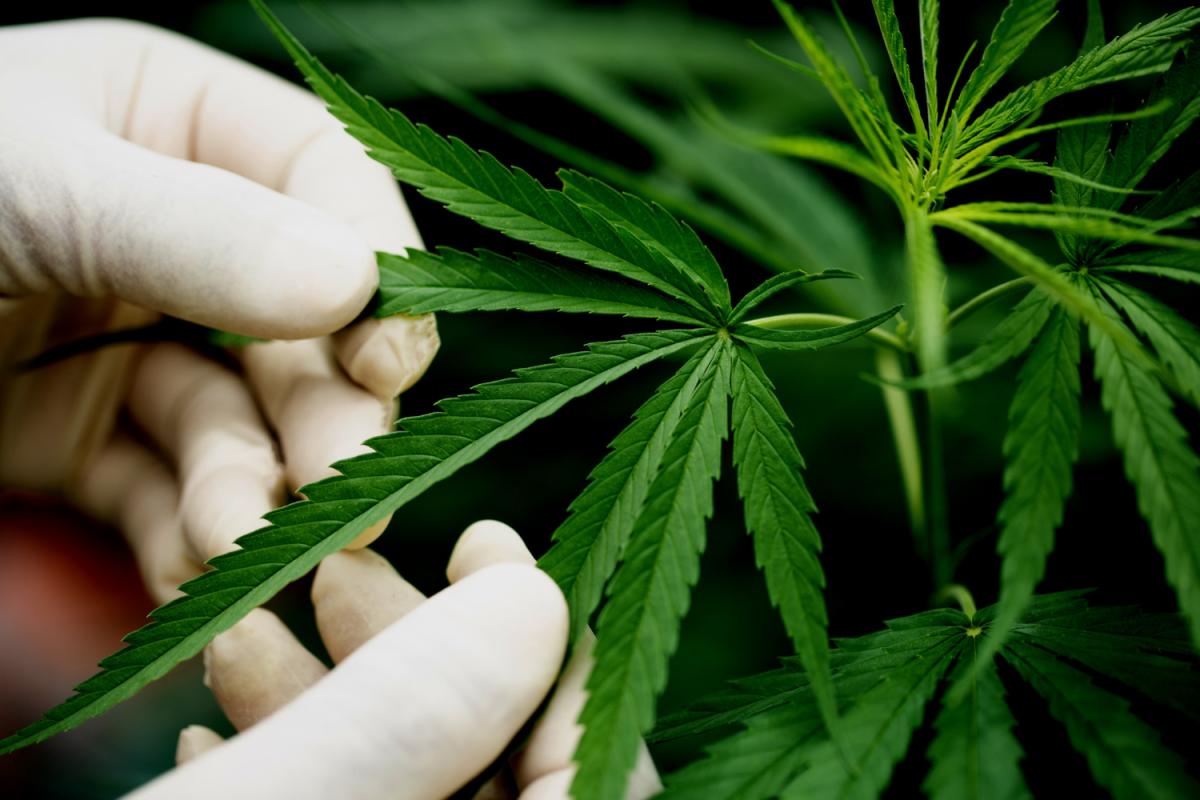
The Role of THC in Pain Relief
THC, the psychoactive compound in cannabis, is commonly associated with pain relief due to its effects on both the brain and nervous system. At carefully controlled doses, THC may help reduce pain perception, relax muscles, and improve sleep disrupted by discomfort. Some individuals also report that THC helps shift focus away from pain, making daily activities more tolerable. However, sensitivity to THC varies, and higher doses may cause unwanted side effects such as dizziness or anxiety for some users.
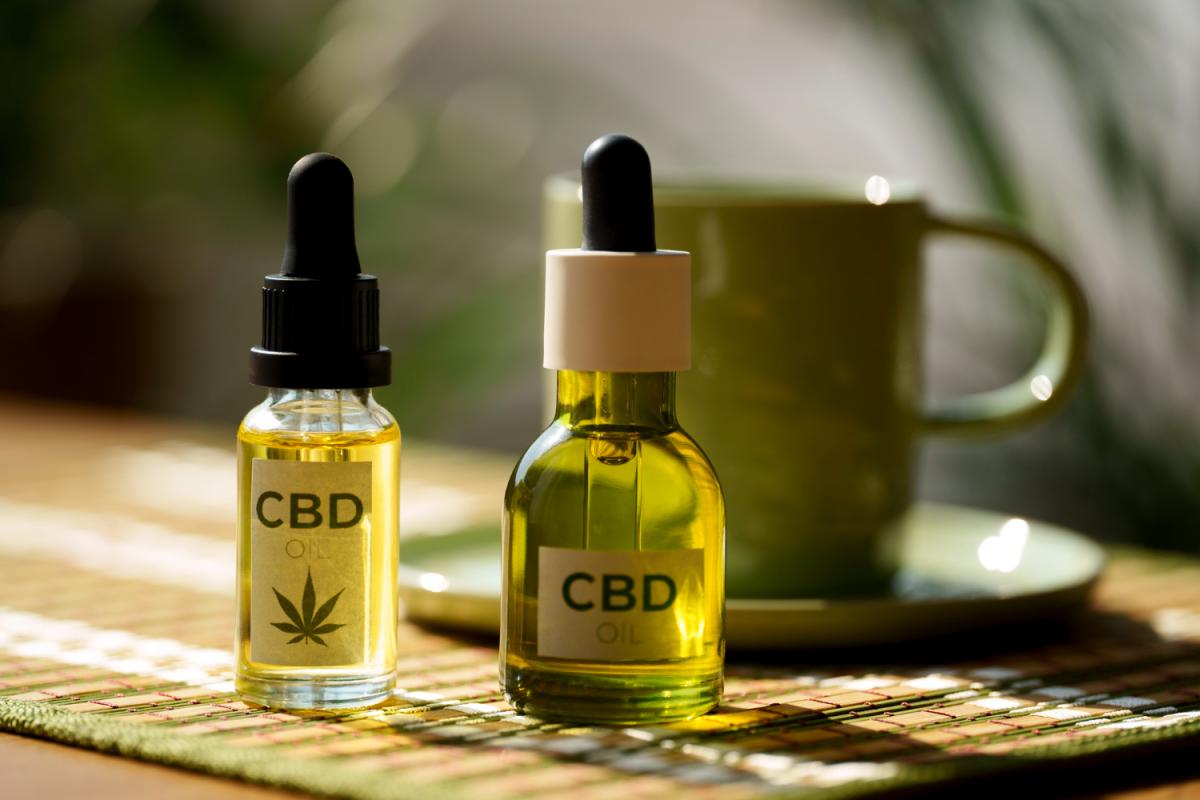
How CBD Supports Comfort Without Intoxication
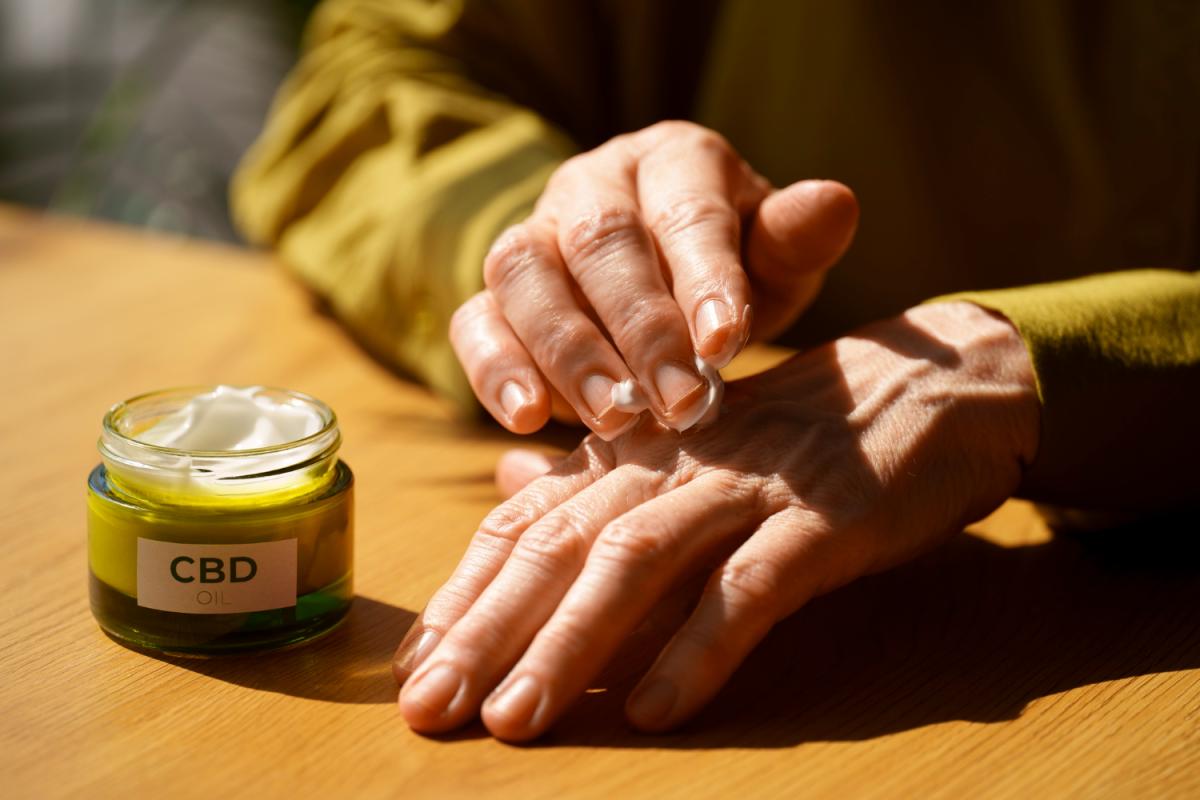
CBD is non-intoxicating and widely used by people who want pain support without cognitive impairment. It is often associated with reducing inflammation, easing tension, and promoting relaxation. Many individuals with chronic pain choose CBD for daytime use or as part of a consistent wellness routine. CBD is available in many formats, including oils, capsules, topicals, and edibles, making it accessible for a range of preferences and lifestyles.

Different Ways People Use Cannabis for Pain
Cannabis can be used in various forms depending on the type of pain and desired effect. Inhaled methods may offer faster onset, while edibles and oils provide longer-lasting effects. Topical cannabis products are often used for localized discomfort such as joint or muscle pain. Some individuals prefer balanced THC:CBD products to combine the benefits of both cannabinoids while minimizing unwanted effects. Finding the right format often requires personal experimentation.
Important Considerations for Responsible Use
While cannabis may offer benefits for chronic pain, it is not a one-size-fits-all solution. Effects vary based on dosage, product type, tolerance, and individual body chemistry. Cannabis should be viewed as a complementary tool rather than a replacement for professional medical care. Starting with low doses, choosing lab-tested products, and tracking results can help users make informed decisions. When used legally and responsibly, cannabis may play a supportive role in a broader chronic pain management strategy.